I use methadone, but I didn’t disclose it on my patient questionnaire for dental implants. My only concern is whether the methadone could conflict with sedation. I hesitated to tell the doctor about my methadone use because I thought they would cancel my case. Am I putting myself at risk if I don’t tell the doctor that I use methadone? – Thanks. HD from Ohio
HD,
Tell your surgeon you take methadone and be specific about your dose and frequency. They need this information to sedate you safely. Methadone in your system—and the effects of long-term opioid use—directly influence how your body responds to sedation medications.
Adjusting sedation for methadone is manageable for a qualified team. If they seem unwilling to individualize your care, that’s a sign to look for another surgeon who will.
Find a Provider Committed to Your Care
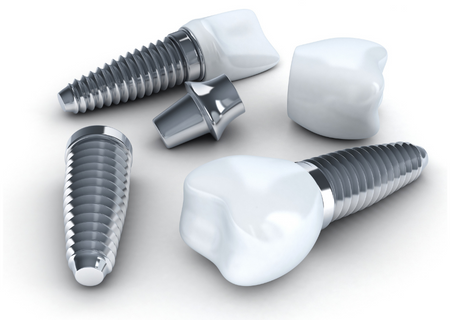
If the office minimizes your concerns or makes you feel dismissed, consider finding another dentist to meet your needs. Many dentists and surgeons have strong implant training, and you may find care that’s more cost-effective as well.
Start with a general dentist who understands implant planning. Even if a surgeon or periodontist places the implants, the general dentist usually oversees the treatment plan. Reviewing their background can help you make a confident choice.
Training and Credentials for Implant Dentistry
Implant dentistry requires specialized knowledge. These qualifications can help you identify a clinician with solid expertise:
- International Congress of Oral Implantologists
Misch Implant Institute
American Academy of Implant Dentistry
Engel Institute - Extensive post-graduate courses or continuing education focused on implant surgery and restoration
Some general dentists place implants themselves, while others collaborate with surgeons. Schedule two or three consultations with implant dentists to discuss your options.
Baton Rouge family dentist Dr. Ryan Perry sponsors this post. Please read about how he strives to provide his patients with the best care possible.