 What’s next if I had a root canal fail? A toothache that has been bothering me for the past two months got so bad last weekend that I saw a nearby dentist for a same-day appointment. I did not want to return to my previous dentist because I didn’t like the customer service at the practice, and the hygienist is quirky. The toothache was in an upper left first molar tooth that my dentist did a root canal on two years ago. The dentist I saw most recently said she would need to refer me to an endodontist for a procedure called an apico? I have been a little slack about going to the dentist, and I haven’t seen one since I quit my last dentist, so maybe I could have avoided this. What is this apico procedure, and do I really need it? Thanks. Malachi
Malachi,
It’s good that you made a same-day appointment with a dentist. If you have a lingering toothache, you need treatment. Whether you need an apicoectomy depends on the X-ray results. You can get a second opinion from another dentist or an endodontist (root canal specialist). If you have problems with a root canal tooth, you will probably still need to see an endodontist.
What Is an Apicoectomy?
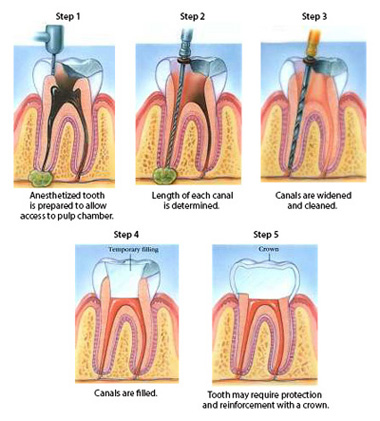
An apicoectomy is a minor surgical procedure that accesses the tooth root through an opening in the gum tissue and bone. An endodontist will remove the inflamed or infected tissue and remove the root tip. The endodontist will fit the root with a special material and seal it. Stitches will close the area and help it heal. According to the American Association of Endodontics, your jawbone will heal around the tooth root in a few months.
Why Do You Need an Apicoectomy?
If a dentist or endodontist cannot access a tooth infection near the root tip by opening the crown, they will recommend an apicoectomy. Sometimes after root canal treatment, infection in the tooth’s canals in the tooth can remain, particularly in areas that are difficult to reach. Then, you may need a second root canal or an apicoectomy.
You can get a second opinion from another dentist or an endodontist, a specialist who can provide the most accurate diagnosis and precise treatment.
Baton Rouge family dentist Dr. Ryan Perry sponsors this post. Please read about how he strives to provide his patients with the best care possible.
 Although I had not seen a dentist in more than five years, I knew I needed help when my bottom left second molar cracked. I asked co-workers about a dentist they like because none of us have dental insurance from the job. And we all need affordable care, so I looked at Google reviews for recommendations and chose a dentist. I probably should have asked my co-worker if he ever had major work done with this dentist and not just a dental cleaning. Anyway, the dentist prepared my tooth for a crown. While I wore the temporary crown, it hurt when I chewed, and it was sensitive to cold. Maybe it was too tight or something because it made my gums sore. I got the permanent crown in earlier this month, and the symptoms got worse. The dentist took another x-ray and did a cold and pressure test, and tapped on my tooth. The cold sensitivity went away quickly, but I felt no pain with the pressure test. And he tested my bite, which of course hurt because it hurts when chew. The dentist said the pressure sensitivity is expected for up to three months. So he wants me to wait. Now my tooth is sensitive to hot food. Is my tooth nerve dying.? I hate to see another dentist, but I am not a fan of pain either. What is going wrong? Thank you. Myles from GA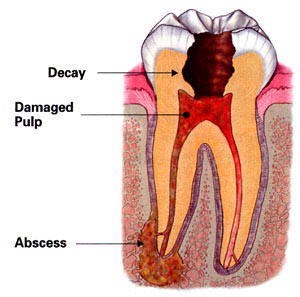
 Look for an experienced dentist, schedule a consultation, and ask about treatment options.