I recently went through a difficult dental experience and would appreciate some advice.
It started with tooth pain in my lower left first molar (#19). The tooth was sensitive to cold foods and drinks and hurt when I touched it. I went to a dentist who took X-rays and examined it. He said I still had all four wisdom teeth, but three were impacted, and one was partially erupted. He thought that wisdom tooth might be putting pressure on a nerve. He also recommended a filling to address the problem.
 Two days after the filling, the pain worsened significantly. The dentist adjusted my bite, prescribed antibiotics, and recommended over-the-counter pain medication. That didn’t help, so he suggested removing the wisdom tooth. I explained that the pain seemed to be coming from deeper in my mouth and closer to tooth #19.
I had the wisdom tooth removed and continued taking the antibiotics. I felt somewhat better at first, but after finishing the antibiotics and stopping the pain medication, the pain returned, and my mouth began to swell. The dentist prescribed more antibiotics.
The next morning, I went to the ER, where they found an abscess. My dentist then referred me to an endodontist, but I couldn’t get an appointment for several weeks. I returned to the oral surgeon who had removed my wisdom tooth. He agreed there was an abscess and recommended extracting tooth #19. Once that tooth was removed, the pain finally went away.
I’m concerned because I had identified tooth #19 as the source of the pain from the beginning. I also paid for several dental visits, an ER visit, and an oral surgeon before the abscess was addressed. Could I have a legal case for misdiagnosis, treatment delays, and expenses? – Thank you. Justin from IL
Justin,
Based on what you have described, we can understand why you are concerned about how your tooth infection was diagnosed and treated. We haven’t examined you or reviewed your X-rays and dental records, so we can’t determine whether your dentist was negligent. However, several aspects make us question whether the problem with your tooth could have been recognized and treated sooner.
Your original symptoms could have indicated inflammation or infection inside tooth #19. Sensitivity to cold can occur when the pulp—the living tissue inside a tooth—becomes inflamed. When a tooth also hurts when touched or bitten on, the inflammation may have progressed.
Those symptoms don’t automatically mean that a tooth needs root canal therapy. However, careful testing can help determine the condition of the pulp and whether the tissues around the root are becoming inflamed.
Your wisdom teeth may also need attention. Still, based on your description, we would have wanted to investigate tooth #19 thoroughly before assuming that a wisdom tooth was responsible for the pain.
Why Didn’t Antibiotics Resolve the Tooth Infection?
Antibiotics alone generally cannot eliminate an infection that originates inside a tooth. They may temporarily control an infection that has spread into the surrounding tissues, but they don’t heal the inside of the tooth.
As your symptoms progressed, several developments would have increased our concern:
- The pain became worse after the filling.
- Adjusting your bite did not resolve the pain.
- Antibiotics provided only temporary improvement.
- Your mouth eventually began to swell.
- The ER identified an abscess.
At that point, your tooth required treatment, either root canal treatment or extraction, depending on its condition.
Could Root Canal Treatment Have Saved the Tooth?
If the tooth was restorable, earlier root canal treatment might have saved it, but we cannot be certain without examining the tooth and reviewing your X-rays.
If your dentist did not perform root canal treatment, referring you to an endodontist would have been appropriate because symptoms indicated that the pulp might be irreversibly inflamed or infected. When significant swelling developed, the need to address the source of the infection became more urgent.
In some cases, opening the tooth can also allow drainage and relieve pressure while the patient waits for definitive root canal treatment. The appropriate emergency treatment depends on the clinical findings.
Do You Have Grounds for Legal Action?
You may have reason to speak with a dental malpractice attorney, but only a review of your records can determine whether your dentist’s care fell below the accepted standard. A poor outcome by itself doesn’t prove malpractice. An attorney would typically need a dentist or other qualified expert to review the X-rays, examination findings, treatment notes, and sequence of events.
Before deciding what to do, we would gather copies of:
- Your original and subsequent X-rays
- The dentist’s treatment records and clinical notes
- Your prescriptions
- Records from the oral surgeon and endodontist
- Your ER records
- Receipts for the additional treatment and related expenses
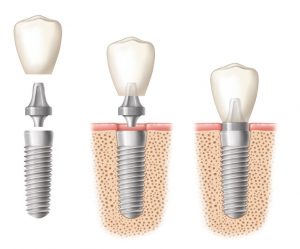
You have also lost a lower first molar, which is vital for chewing and maintaining your bite. Leaving that space untreated can allow nearby teeth to shift over time. An implant and crown may be one option for replacing the tooth.
Given everything you went through, it would be reasonable to have an independent dentist review the records and determine whether the tooth could reasonably have been diagnosed and treated earlier. If that review raises concerns about the standard of care, you could then discuss your options with a dental malpractice attorney.
Baton Rouge dentist Dr. Ryan Perry sponsors this post. Read why many patients say he is one of the best dentists in Baton Rouge.
 My tooth is still infected after an apicoectomy. I had a raging toothache and infection that required a same-day visit in early October. The dentist did an apicoectomy on a tooth that had a root canal 2 years ago. I had a checkup and x-ray two days ago. The bone is rebuilding, but a small pus sac on my gums shows an infection is lingering. My dentist gave me antibiotics to take for ten days. Is there anything else I can do to get rid of this infection? I