Baton Rouge Dentist

Ryan P. Perry, DDS
  • Home
  • About Us
    • About Our Office
    • Meet Dr. Perry
    • Request an Appointment
    • Office Hours
    • Map and Directions
    • Financial Policies
    • Free Initial Exam
  • Payment
  • Cosmetic Dentistry
    • Porcelain Veneers
    • Porcelain Crowns
    • Teeth Whitening
    • Dental Bonding
    • CEREC Crowns
    • White Fillings
  • ^
  • General Dentistry
    • Gum Disease
    • Root Canal Treatment
    • TMJ Dentist
    • Mercury Free Dentist
    • Gentle Dentistry
    • Emergency Dentist
    • Sedation Dentist
    • Pediatric Dentistry
    • Sleep Apnea
  • Reconstructive Services
    • Dental Implants
    • Dental Implants Cost
    • Affordable Dental Implants
    • Dental Bridges
    • Dental Bridge vs Implant
    • Dentures

What You Should Know About Charcoal Teeth Whitening

Posted on April 22, 2019 by alliotte.

Many people are interested in charcoal teeth whitening. The method is more popular than ever right now, thanks to You Tube. This type of teeth whitening is using activated charcoal, which is different than the type of charcoal used on a grill. Before you attempt this new whitening technique, you should understand some important aspects of the popular craze.

What You Should Know About Charcoal Teeth Whitening

It’s a natural and non-toxic teeth whitening technique. Charcoal is used in the medical field, and as a supplement. This method is safe to consume in small doses, and is believed to be a way to detox.

Charcoal is also absorbent. It works well for removing stains from teeth because they are just soaked away.

Unfortunately, it is not safe to use on your teeth. Charcoal’s abrasiveness can scratch through the enamel on your teeth. While the enamel is tough and protects, it’s not resistant to scratches. It is more abrasive than toothpastes, which come in varying degrees of abrasiveness, therefore could be damaging to your teeth.

Finally, there is conflicting information about whether or not it actually works as a teeth whitening method. While it some claim that is works to lighten teeth, nothing has been proven clinically, or been approved as a treatment technique. Unfortunately, if the enamel on your teeth is damaged, it will never return to the healthy protective state. This will lead to more sensitive and cavity-prone teeth. In addition, the results are not as noticeable as what you would see if you went to a dentist for the teeth whitening procedure.

Traditional Teeth Whitening Options

For those who aren’t interested in the charcoal teeth-whitening bandwagon, the traditional methods are dependable options.

Having your teeth whitened in a dental office is effective due to its potency. The solution opens up the dental tubules, similar to pores on your teeth, which are closed, then allows the substance to enter and increase the whitening power. Some patients experience sensitivity following this procedure, due to the tubules taking a few days to close, but side-effect can be lessened by using fluoride for a three to four weeks prior to treatment.

Another option is a take-home system. These systems are not as strong as those in the dental offices. Therefore teeth will take longer to lighten, and may not lighten to the degree than at in-office whitening would. However, it affords you the chance to stop the process if the sensitivity is bothering you.

This article is provided by the office of Baton Rouge teeth whitening dentist, Dr. Ryan Perry.
Filed Under: Teeth Whitening Tagged With: Baton Rouge Teeth whitening, damage from teeth whitening, professional teeth whitening, Teeth Whitening, teeth whitening methods, teeth whitening treatments, whiten teeth, whitening teeth, Whitening toothpastes

Can Teeth Get Too White?

Posted on April 8, 2019 by alliotte.

Many people understand the concept behind teeth whitening. They know that our teeth collect stains through the years. The now that teeth take on pigments from coffee, some fruits, wine, and other pigmented sources. They also believe teeth whitening removes the stains. However that is a misconception.

Teeth Whitening Bleaches the Natural Pigment in Your Teeth

While teeth whitening removes the pigmented stains, it also removes the natural pigment in your teeth. This can be illustrated by explaining shade guides.

Teeth Whitening and Shade Guides

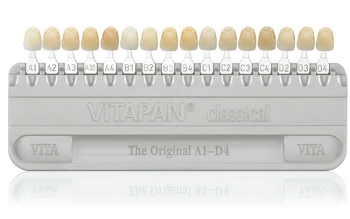
In dental school, dentists learn about shade guides, a tool with a full spectrum of natural teeth colors which a dentist may see in natural teeth. When he or she needed to match a patient’s natural tooth color for a crown, or some sort of unnatural tooth, the dentist could always refer to the shade guide.

vita-shade-guide

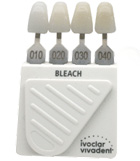
Teeth whitening gained momentum in the 1990s. When people would be in need of porcelain crowns, the color of their natural teeth would be much whiter than that on the shade guide, because they’d been whitening their teeth. Therefore, the manufacturers had to adjust the guide, to allow for the whitened colors.

vita-shade-guide-bleached-extension

Experienced cosmetic dentists will use the revised shade guide, as they often have clients who have teeth whitening done on their teeth. However, general dentists typically only consult the original shade guide. Therefore, a patient who has had his or her teeth whitened, who visits a general dentist, with less cosmetic experience, runs the risk of crowns or veneers not matching the natural pigment in their teeth, because even the whitest shade on the guide could still be darker than whitened teeth.

The Amount of Whitening Caused By Teeth Whitening

The results of dental studies indicate that the longer your whiten your teeth, the whiter they will become. However, the longer someone uses the bleaching gel, the amount of whitening will actually begin to decrease, causing most people to hit a point where they stop. Some people will whiten their teeth to the point that they seem to glow. It is all a matter of preference.

This blog post was provided by the office of Baton Rouge teeth whitening dentist, Dr. Ryan Perry.
Filed Under: Teeth Whitening Tagged With: Baton Rouge Teeth whitening, Teeth Bleaching, teeth stains, Teeth Whitening, teeth whitening methods, teeth whitening treatments, Teeth whitening with porcelain veneers, too bright teeth whitening

Why is my teeth whitening causing me pain?

Posted on February 25, 2019 by alliotte.

I have been whitening my teeth, using an at-home system, for a couple of weeks now and have had no problems. However, during my whitening session yesterday, I experienced an intense pain for about half of a minute in my front tooth. This tooth has a dental bond that was chipped and corrected over a decade ago. Do you think the pain is any indication that the dental bond needs replaced? Or, is there any chance that the whitening I’ve been doing is causing the bond to lose its strength? I’m worried that it could be both.

Thank you,
Lindsay

Dear Lindsay,
It is unlikely that the bleaching would cause the bond on your tooth to weaken. The bleaching gel has no history of weakening bonds such as this. In addition, if the bond were beginning to lose its strength, the repair, which you mentioned having done to to the chip in the bond, would likely fall off and not just cause pain.


The pain you mentioned experiencing can be attributed to the bleaching gel applied to a part of the tooth which is sensitive. If the tooth has been chipped and repaired, it’s possible that the part which is sensitive was previously covered by a bonding agent that is no longer there.

This is a good reminder that teeth whitening is best done under the supervision of a dentist and hopefully this is the case with you. You should make your dentist aware of the pain you’ve been experiencing. He or she should be able to determine the cause of the problem. If there is a sensitive part to the tooth, something can be applied to address the sensitivity, allowing you to move forward with your current bleaching treatment. It is important that you address this prior to any more bleaching.

This blog post is brought to you by Baton Rouge teeth whitening dentist, Dr. Ryan Perry.
Filed Under: Teeth Whitening Tagged With: Baton Rouge Affordable Dentist, Baton Rouge Cosmetic Dentist, Baton Rouge Dentist, Baton Rouge Teeth whitening, pain from teeth bleaching, pain from teeth whitening, Teeth Bleaching, Teeth Whitening, Teeth whitening and dental bonding, teeth whitening methods, teeth whitening on dental work., teeth whitening treatments, tooth pain

Can lemons make my teeth whiter?

Posted on January 15, 2019 by alliotte.

I am interested in whitening my teeth and have been researching ways to do it myself. The more natural options continue to appeal to me. My teeth aren’t in terrible condition, but I would be happy if they were a little brighter. The lemon and orange method to whitening continues to jump out at me. They say if you use the essential oils in these fruits, or rub the peels on your teeth daily, the method works as a whitening agent. How does this help? What causes the fruit to whiten my teeth?

Thanks,
Carrie

Dear Carrie,
While this, indeed, is a solution promoted by natural health resources, it can cause permanent damage to your teeth for several reasons.

  1. There are many reasons for tooth discoloration. The discoloration of teeth can be intrinsic, which comes from inside the tooth, or extrinsic coming from outside. When a tooth dies, it becomes gray. Age, genetic factors, hard brushing, acidic wear, or some medications, can all cause discoloration to show through. Extrinsic stains are often the result of habits such as drinking soda, coffee, tea, wine, or juice. Smoking can also cause the change in color.
  2. Clean teeth don’t usually have external staining. Teeth build up a natural layer of plaque. This is similar to the slippery film on a rock in a river or a lake. This plaque layer is called biofilm and it includes bacteria that can cause tooth decay or gum disease. Brushing twice a day and visiting your general dentist regularly can ensure none of the biofilm stays on teeth. Coloring from food or drinks won’t have much to stick to when teeth are clean. It is when the biofilm builds up that the stains tend to last. Regular dental hygiene is the best way to prevent this buildup.
  3. Citrus fruits do whiten teeth. Citrus fruits can brighten teeth, mainly due to their citric acid killing the bacteria. Apple cider vinegar can also be used on discolored teeth, but does have acetic acid.
  4. Acids can damage tooth enamel. The acid in the above cures will weaken and wear down the enamel on teeth, magnify the discoloration of teeth, cause them to become more sensitive, and make them more susceptible to decay. Unfortunately, once tooth enamel goes away, there is no way to get it back. Some sources suggest using oil or a water rinse to weaken the impact of the acid, but this is not a guarantee. The best choice would be not to use the methods which involve acid at all.
  5. Use professional whitening. It is important to discuss any of the natural cures to the stained teeth with your dentist first. Determine what he or she thinks is best, or, better yet, find a dentist who does teeth whitening, and know that it is a tested and safe method.

This blog is sponsored by Baton Rouge teeth whitening dentist, Dr. Ryan Perry.

Filed Under: Teeth Whitening Tagged With: Baton Rouge Cosmetic Dentist, Baton Rouge Dentist, Baton Rouge Family Dentist, Baton Rouge Teeth whitening, Stained Teeth, Teeth Bleaching, teeth color, teeth stains, teeth stains from braces, Teeth Whitening, Teeth whitening and dental bonding, teeth whitening methods

Can I whiten my teeth if I have fillings?

Posted on August 30, 2018 by alliotte.

Hello! I am a woman in my early fifties and am interested in whitening my teeth. However, I have a filling on one of my front teeth that is not the exact same color as my teeth. I am concerned that the filling will not whiten like my natural teeth. Will this be the case? If so, do I have any other options?

Thank you,

Karen

Dear Karen,

You are correct. The filling will not whiten. You can address this by first whitening your teeth. Then, after a couple of weeks have passed, have your filling resurfaced to match your whiter teeth. It is crucial that you wait a couple of weeks before doing this in order for the whiter tooth color to settle after bleaching. If you resurface too early, you’ll chance running into the same problem with the colors.

If you have any tooth decay, you will need to have this addressed with a dentist prior to whitening, then redo the fillings at a later date.

Filed Under: Teeth Whitening Tagged With: amalgam fillings, Baton Rouge Affordable Dentist, Baton Rouge Teeth whitening, matching fillings to teeth whitening, professional teeth whitening, Teeth Whitening, teeth whitening methods, teeth whitening treatments, white fillings

Can black charcoal really whiten my teeth?

Posted on August 14, 2018 by Travis Wachendorf.

I am interested to know if charcoal is a good way to whiten my teeth. I have had the whitening trays that are used at home, but it’s been a while and I don’t have much of the bleach gel left. It is too expensive to go in to my dentist to get a professional whitening so I was looking other options and came across charcoal. I can’t figure out how something so black can make my teeth white.
Isaiah, Austin, TX

Dear Isaiah,

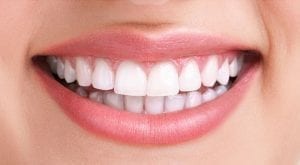
White teethThe claim that charcoal can whiten teeth can be a little confusing because most of us are only familiar with the charcoal you may have used to cook your hamburgers last weekend. The charcoal that is being touted as a good tooth whitener is activated charcoal.
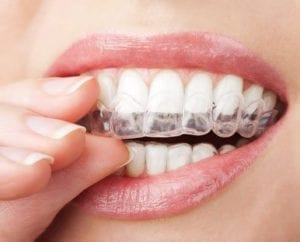
Let’s make sure we cover the bases about whitening your teeth with it.

Using Charcoal

Using charcoal medicinally dates back to the time of the early Egyptians and has been used for almost two decades as a way to counteract poisons and to detox. Charcoal binds to the poisons in the stomach and intestines, making it more difficult to absorb into the system. Using it to whiten teeth doesn’t go back that far. The thinking is that the charcoal will bind to the stains in the teeth and make them whiter.

Activated charcoal can be purchased over the counter or online. As with many things in life, just because you can use it doesn’t mean you should. Charcoal is a natural product and has its place, but on the teeth is really not the best place. It may make them a little whiter, but at a cost.

Charcoal is very abrasive. Our toothbrushes are a little abrasive. Our toothpastes are a little abrasive. We use them three times a day, ideally, because it does help remove stains and debris from our teeth and keep our mouths healthy. Because charcoal is so abrasive, it can actually scratch the enamel on your teeth and damage that coating that protects your teeth. Once that enamel is scratched, it doesn’t repair itself. The protection is compromised and can lead to tooth decay, sensitivity, and more stains. The damage caused for the little bit of whitening isn’t worth it.

While there aren’t too many risks otherwise using charcoal, it is always best to consult your dentist before beginning. Charcoal can interact poorly with certain drugs and may cause gastrointestinal problems if taken in excess. It can also make your tongue black, kind of like the inside of your barbecue.

This post is sponsored by Dr. Ryan Perry at Baton Rouge Family Dentist in Baton Rouge, LA.


Filed Under: Teeth Whitening, Tooth stains Tagged With: activated charcoal, charcoal for tooth stains, charcoal tooth whitener, medicinal charcoal, Teeth Whitening, tooth enamel

Am I damaging my teeth with my teeth whitening?

Posted on January 21, 2018 by Travis Wachendorf.

I love whitening my teeth. I started when I went to a dentist who had a promotion going that you would get a free teeth whitening kit as a new patient. My teeth weren’t terrible when I started, but they looked a little yellow to me. I got the whitening trays and the gel and used them pretty religiously.  My teeth got whiter when I used the whitening trays, but I was afraid they would yellow again if I didn’t keep doing something. So when I had dentist visits, I would get more gel. I would also use some whitening strips from the drug store in between visits. I have done this for some time now. I’m out of gel again and am wondering if I should just do the in-office whitening treatment. My husband is worried that I’ll hurt my teeth doing much more whitening. Could this happen?

Thanks,

Bright Whites

Dear Bright Whites,

For most people, a regular schedule of whitening each month is okay. This is especially true of people who regularly smoke or consume staining food or drinks. Not all tooth whitening is created equally, though.

Teeth whitening methods

The teeth whitening strips you use from the drug store are the weakest of the whitening methods you use. Because they aren’t on as long and the formula isn’t as strong, whitening strips aren’t as effective for brightening a smile.

Whitening trays and the gel you get from a dentist’s office are stronger. The nice thing about this method is that you can do it from home. When used regularly, these can help whiten your teeth.Teeth whitened

The third method is the teeth whitening you mentioned that is done in the dentist’s office. This is done with a bleaching agent that is placed on all your teeth and a light is shined on them. This can take a couple of hours and is effective, but is more expensive.

Over-whitening

Some people start to exhibit problems when they over-whiten their teeth. It can lead to sensitivity or translucent teeth. Oddly enough, it can also lead to more staining. Your teeth naturally have holes in the surface that are microscopic. These holes are normally closed. When you whiten your teeth, those holes open up. After the bleaching process, it can take time–from a few days to a few weeks–for them to close up completely again. Unfortunately, if you smoke or consume staining foods or drinks such as grape juice, berries, or coffee, the teeth will start to absorb those stains right after the whitening treatment.

Ideally you should talk to your dentist about the amount of whitening you are doing. Make sure he is aware of the frequency and duration of your treatments at home. He will help you know if a whitening treatment in the office is recommended or if he would advise against it.

You can also brighten your smile by making sure you have white fillings in your teeth, as well.

This post is sponsored by Dr. Ryan Perry of Baton Rouge, Louisiana.

Filed Under: Teeth Whitening Tagged With: bright smile, damage teeth with whitening, in-office teeth whitening, over whitening the teeth, teeth stains, Teeth Whitening, teeth whitening methods, teeth whitening treatments, white fillings, whitening strips, whitening trays

Will teeth stains from braces ever come off?

Posted on October 13, 2017 by Travis Wachendorf.

I am horrified. I paid a lot of money to get braces for my son because he had such crazy, crooked teeth. They stuck out in the front. We felt that braces were our best option for him. He had the braces on for two years and just got them off the end of last month. His teeth were straight and the alignment was great, but his teeth have stains around where the brackets were. Apparently he didn’t brush well. He’s happy to not have his teeth stick out, but what good are straight teeth if they have stains. He doesn’t want to smile still. Will those stains come off? What can we do?

Stacie, San Diego

Dear Stacie,

Your son is not the first to not take care of his teeth with his braces on. It is common to see staining on kids’ teeth when the brackets come off. There is hope! It depends on what type of stain your son’s teeth have, but here are some options.

  • Teeth polishing. First, if the stains are just on the surface, sometimes just a good polishing from the dentist will be enough to take care of the stains. This can sometimes help with cement residue from the brackets, as well.
  • Teeth whitening. Next, if the stains are deeper in the teeth, whitening may help. This can be done in the dental office or through at-home bleaching trays. teeth whitening tray
  • Bonding. Finally, if the stains were caused by decay where the braces were, dental bonding may help. Fortunately, bonding can be done after tooth polishing or dental whitening if they don’t work to match the coloration of the teeth.

To get started, it may be best to visit a cosmetic dentist to understand what caused the stains so you can create a path to a white smile your son will want to show off.

This blog is sponsored by Baton Rouge dentist Ryan P. Perry.

Filed Under: Braces, Teeth Whitening, Tooth stains Tagged With: braces stains, dental bonding, stains on teeth after braces, teeth polishing, teeth stains from braces, Teeth Whitening, tooth stains

Does Lemon Juice Work Well to Whiten Teeth?

Posted on August 28, 2013 by lrickwood.

Recently, I read on a website that mixing lemon juice and baking soda and rubbing it on your teeth for a couple of weeks makes them whiter. I did this a couple of days ago and earlier today, I heard that lemon juice is really bad for your teeth and decays your enamel. I’ve only done it twice. When I made the mixture, I only had it on my teeth for a minute and then brushed my teeth regularly. After discovering this information about the bad effects of this mixture, I will not be whitening my teeth this way. Do you think I caused permanent damage to my teeth?

– Jane from Louisiana

Jane,
It’s good to hear that you did follow-up research on lemon juice and teeth whitening. Lemon juice is highly acidic and if used on teeth over time, causes erosion of the tooth enamel leading to tooth decay. Citric acid found in lemon juice is a powerful agent. Did you know it can be used to scour limescale from boilers and in a higher concentration form it removes hard water stains from glass without any scrubbing motion?

Citric acid is not only found in cleaning products but also soda. This is why your dentist or dental hygienist tells you to limit your intake of soda. Those who drink soda on a daily basis are more prone to tooth decay and tooth erosion.

It’s an important thing to remember to never brush your teeth within 30 minutes after consuming liquids or foods that contain citric acid as well as ascorbic acid which is also found in sodas. Teeth are attacked by the acid which causes the enamel and underlying layer dental to erode. When you brush right away, it can accelerate the process by pushing the acid further into the tooth layers. The best thing you can do is neutralize the acid in your mouth by drinking water after consuming acidic products.

If you want to whiten your teeth, it’s best to visit your dentist and see if you are a good candidate for teeth whitening. The best, safest, and most effective way to get a brighter smile is have a dental health professional take care of you.

To learn more, visit Dr. Ryan Perry’s website, Baton Rouge Family Dentist

Filed Under: Teeth Whitening Tagged With: citric acid and teeth, lemon juice and tooth whitening, Teeth Whitening, tooth whitening, whiten teeth, whiten teeth with lemon juice, whitening teeth

Does Supersmile Toothpaste Come without Fluoride?

Posted on June 27, 2013 by lrickwood.

I was told that Supersmile toothpaste is a great professional whitening toothpaste that helps with keeping teeth white. I want to know if Supersmile toothpaste comes without fluoride?
– Shelly from Louisiana

Shelley,
Supersmile toothpaste is a great product for keeping stains off your teeth. However, there is a small amount of fluoride in all Supersmile products.

Fluoride is a naturally occurring mineral, and it’s next to impossible to avoid ingesting it. With toothpaste, you want to bathe your teeth briefly in a small amount of fluoride to help re-mineralize early decay spots. And you want to be sure to rinse and spit out the toothpaste. Fluoride is found in natural well water, canned juices, vegetables, milk and liquid products processed with water. In small amounts it’s okay but you want to avoid ingesting toothpaste.

To sum it up, you need not worry about the fluoride in Supersmile toothpaste as you will be brushing and rinsing your teeth and not swallowing the toothpaste.

This blog brought to you by Baton Rouge Family Dentist, Dr. Ryan P.Perry

Filed Under: Teeth Whitening Tagged With: keeping teeth white, professional teeth whitening, professional tooth whitening, professional whitening toothpaste, Supersmile, Supersmile toothpaste, Teeth Whitening, tooth whitening

  • « Previous Page
  • 1
  • 2
  • 3
  • Next Page »
Phone number: 225-275-5910
9094 Jefferson Hwy
Baton Rouge, LA 70809
Ryan P. Perry, DDS
Phone: 225-275-5910
Ryan P. Perry, DDS
9094 Jefferson Hwy Baton Rouge, LA 70809
Google Reviews Yelp Reviews
  • Best Baton Rouge Dentist
  • Baton Rouge Affordable Dentist
  • Privacy Policy
  • Blog

©2009-2026 Ryan P. Perry, DDS • All rights reserved
Website Design and SEO by Infinity Dental Web IDW Copyright Logo

  • Home
  • About Us
    • About Our Office
    • Meet Dr. Perry
    • Request an Appointment
    • Office Hours
    • Map and Directions
    • Financial Policies
    • Free Initial Exam
  • Payment
  • Cosmetic Dentistry
    • Porcelain Veneers
    • Porcelain Crowns
    • Teeth Whitening
    • Dental Bonding
    • CEREC Crowns
    • White Fillings
  • ^
  • General Dentistry
    • Gum Disease
    • Root Canal Treatment
    • TMJ Dentist
    • Mercury Free Dentist
    • Gentle Dentistry
    • Emergency Dentist
    • Sedation Dentist
    • Pediatric Dentistry
    • Sleep Apnea
  • Reconstructive Services
    • Dental Implants
    • Dental Implants Cost
    • Affordable Dental Implants
    • Dental Bridges
    • Dental Bridge vs Implant
    • Dentures
  • Click to Call
    (225) 275-5910