 I had my lower right wisdom tooth extracted in June. I wanted to see it after the dentist took it out, but he wouldn’t let me touch it or have it. The gum took almost a month to fully close back up. I started having pain on the right side of my face, my ear, and behind my eye. The pain behind my eye lingers, although it’s not as intense. I don’t think my dentist was honest with me about what happened during the extraction. Could I still have an infection from a portion of the tooth that was left in the socket? Thanks. Micah
Micah,
Infection is uncommon after a straightforward wisdom tooth extraction with an open socket, because fluids can drain naturally. Infections occur more often when an impacted tooth requires stitches that close the gum over the site.
If a full root or large fragment remains in the socket, the gum can heal over it and trap bacteria inside the jaw. This situation may lead to persistent pain, swelling, or infection.
How Can a Dentist Evaluate a Tooth Root Fracture?
If symptoms continue, a second opinion is often needed, ideally from an oral surgeon who can diagnose and treat the problem. An X-ray provides the clearest way to see whether any tooth structure remains.
This process helps determine:
- Whether a retained root is causing symptoms
- Whether bone has already healed over the area
- How complex removal would be if needed
If a significant root was left behind, requesting a refund is reasonable.
Understanding Root Fractures During Extraction
Tooth roots sometimes break during removal, particularly in older adults whose roots may thicken over time. This complication can happen even with careful treatment and does not necessarily reflect poor care.
Appropriate management depends on the fragment size:
- Small tips in sensitive areas may remain without causing harm
- Larger pieces typically require removal by the dentist or an oral surgeon
Patients should always receive a clear explanation when this occurs.
Many patients want to see or keep their extracted teeth, and dentists often honor that request. If you asked but your dentist declined your request, seeking clarification or another opinion would be a reasonable and thoughtful step.
Baton Rouge dentist Dr. Ryan Perry sponsors this post. Read why many patients say he is one of the best dentists in Baton Rouge.
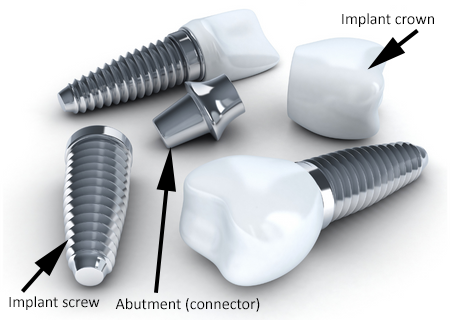 It’s a common misconception that specific dental crowns, such as those made from porcelain fused to gold or white metals, will eliminate the appearance of a dark line at the gumline. All metals used in dental crowns, regardless of color, can exhibit a visible line at the gumline where the crown meets the natural tooth structure. While the color of this line may vary (black instead of gray), it will still be discernible.