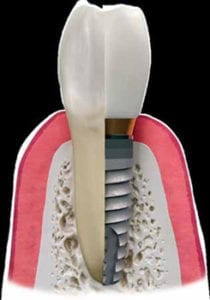
I had a tooth extracted earlier this month, but the root is still in my jaw. My dentist explained that removing it would require reducing some bone, so she prescribed antibiotics and recommended a follow-up appointment in a month. Should I be worried about the remaining root? – Thank you. Nathan from WY
Nathan,
A dentist may leave a very small root when removing it would create unnecessary risk.
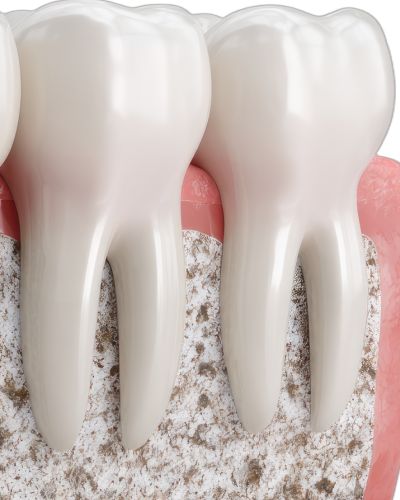 The decision should always focus on the patient’s safety. Dentists typically evaluate both the size of the remaining root and the potential complications of removing it.
Why Do Tooth Root Size and Location Matter?
Although leaving a tiny root tip is sometimes appropriate, larger portions of the tooth are more likely to create problems because they contain more pulp tissue. However, aggressively seeking a deeply positioned root can sometimes cause avoidable complications.
- Small root tips generally have a lower chance of causing infection.
- Lower molar roots may lie close to the inferior alveolar nerve, where injury can cause lasting numbness.
- Upper molar roots may be close to the maxillary sinus, increasing the risk of sinus involvement during removal.
Does This Case Raise Additional Questions?
Your dentist described leaving behind an entire root rather than a small root tip. The explanation that bone reduction would be necessary also does not, by itself, suggest an increased health risk. Removing some bone is often part of managing a difficult extraction.
The use of antibiotics may indicate concern about infection. However, antibiotics cannot eliminate bacteria that remain inside pulp tissue within a retained root. They may temporarily suppress the infection, but symptoms can return after treatment ends.
What Is the Next Step?
If the remaining root should be removed, treatment is generally simpler before the extraction site fully heals. A prompt second opinion can clarify whether you need additional treatment and help reduce the risk of future complications.
Baton Rouge family dentist Dr. Ryan Perry sponsors this post. Please read about how he strives to provide his patients with the best care possible.